
Ayodhya Spiritual Travel Guide: Introduction to the Sacred City
Ayodhya spiritual travel guide takes you on a meaningful journey to one of the most sacred cities in India. Moreover, Located in Uttar Pradesh, Ayodhya is believed to be the birthplace of Lord Ram and holds a special place in Hindu faith. Through this Ayodhya spiritual travel guide, you can explore the city’s famous temples, peaceful ghats, rich cultural heritage, and vibrant festivals, making Ayodhya a truly soulful and unforgettable spiritual destination.
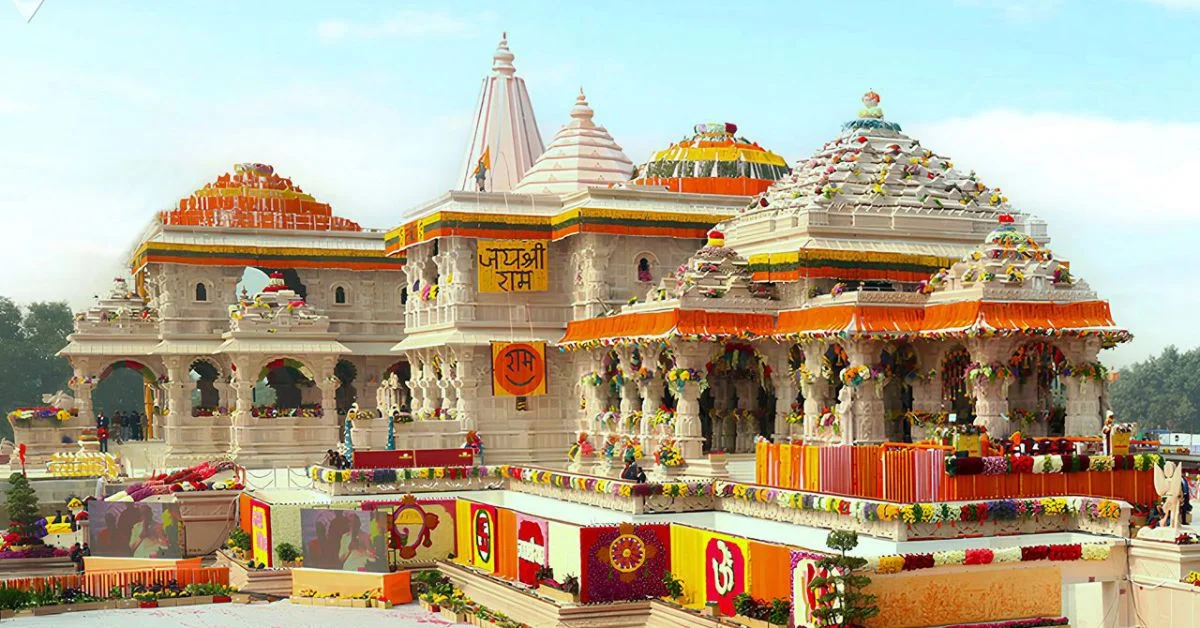 Ram Mandir Ayodhya
For example, steeped in myth, legend, and archaeological significance, Ayodhya has been a melting pot of cultures and a focal point of religious devotion for centuries The Spiritual Essence of Ayodhya. The city boasts countless temples, ghats, and historical landmarks that draw pilgrims and history lovers alike. From the soft chants of evening aartis on the Sarayu River to the festive buzz during Ram Navami, Ayodhya exudes a spiritual energy that lingers long after you leave.
However, over the years, Ayodhya has transformed from a quiet pilgrimage town into a vibrant spiritual destination Ayodhya’s Journey from Ancient Times to Today. With improved infrastructure and increased global attention, it’s now more accessible than ever. But what remains unchanged is its essence: a city where devotion shapes daily life and history speaks from every stone.
Ayodhya Spiritual Travel Guide: Places and Temples to Explore
In addition, Ayodhya is packed with spiritual landmarks, scenic ghats, and cultural gems. Here are some must-visit sites:
- Ram Janmabhoomi – Heart of Ayodhya Spiritual Travel Guide
- The most sacred spot in Ayodhya, believed to be the exact birthplace of Lord Ram.
- A grand Ram Temple is under construction, expected to become a major pilgrimage center.
- The complex is secured and well-organized, especially during festivals.
- Hanuman Garhi in Ayodhya Spiritual Travel Guide
- A temple dedicated to Lord Hanuman, situated on a hilltop with a panoramic view of the city.
- Devotees believe visiting Hanuman Garhi before other temples ensures blessings.
- A climb of 76 steps leads to the temple, with lively shops and street food nearby.
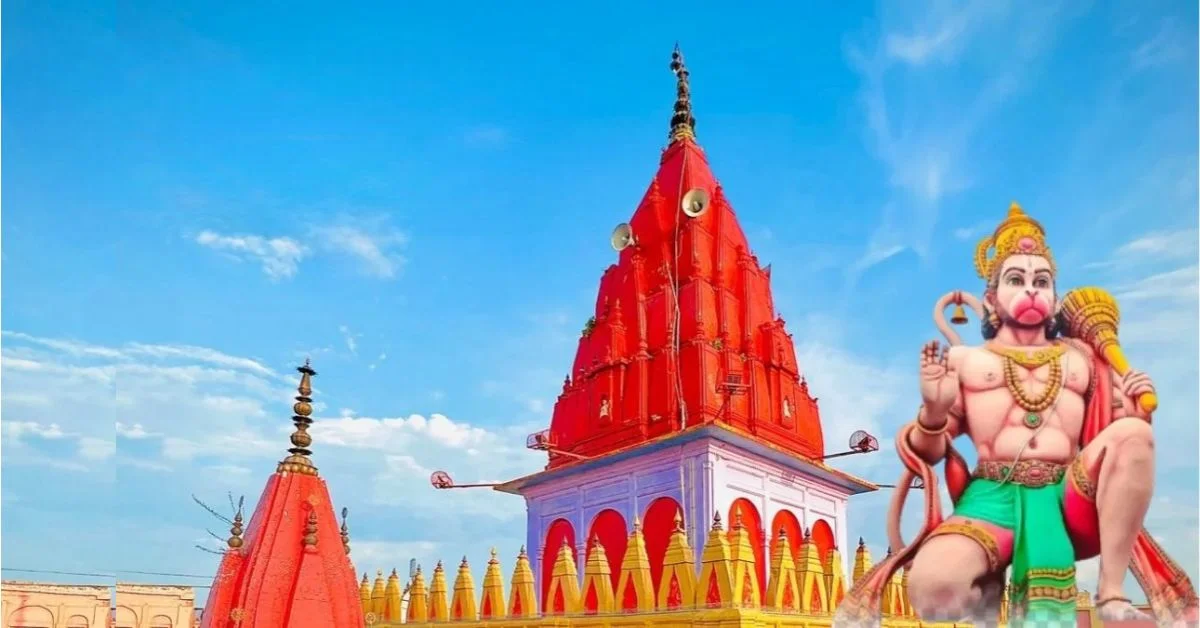 Hanuman Garhi Ayodhya
- Kanak Bhawan – A Key Stop in Ayodhya Spiritual Travel Guide
- A beautifully decorated temple dedicated to Lord Ram and Sita.
- Known for its intricate architecture, vibrant idols, and devotional music.
- Said to be a gift from Queen Kaikeyi to Sita.
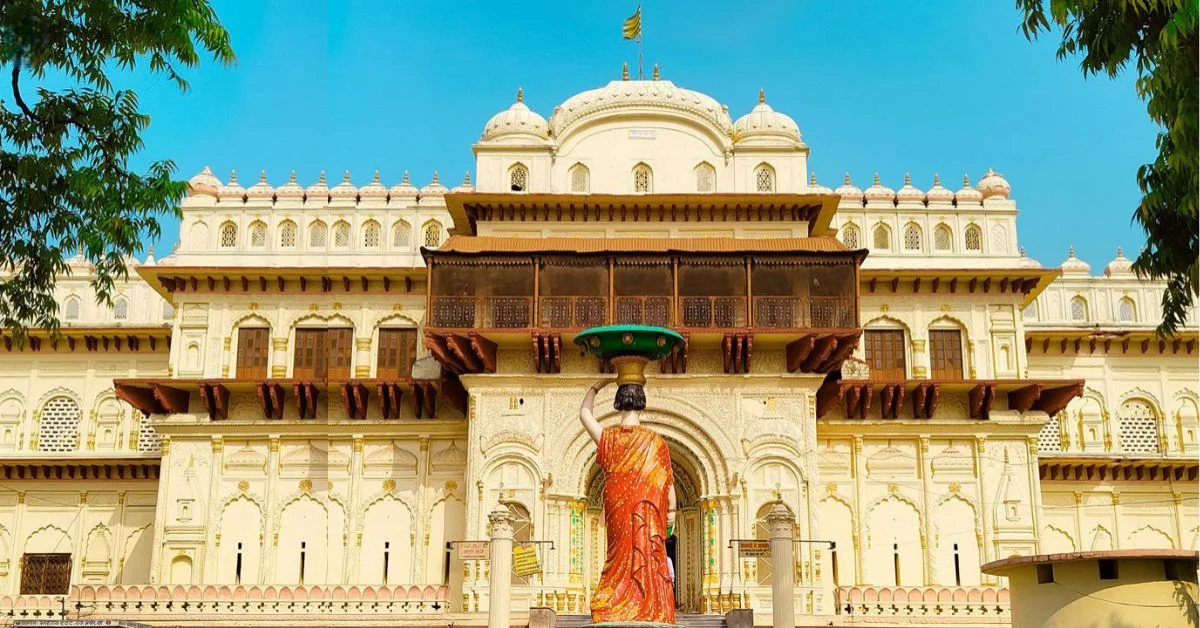 Kanak Bhawan Ayodhya
- Nageshwarnath Temple in Ayodhya Spiritual Travel Guide
- An ancient Shiva temple, believed to have been established by Kush, son of Lord Ram.
- A tranquil and less crowded site with deep historical roots.
- Sita Ki Rasoi – Part of Ayodhya Spiritual Travel Guide
- A symbolic kitchen said to have been used by Sita.
- Located near Ram Janmabhoomi, it holds significance for newlyweds and women.
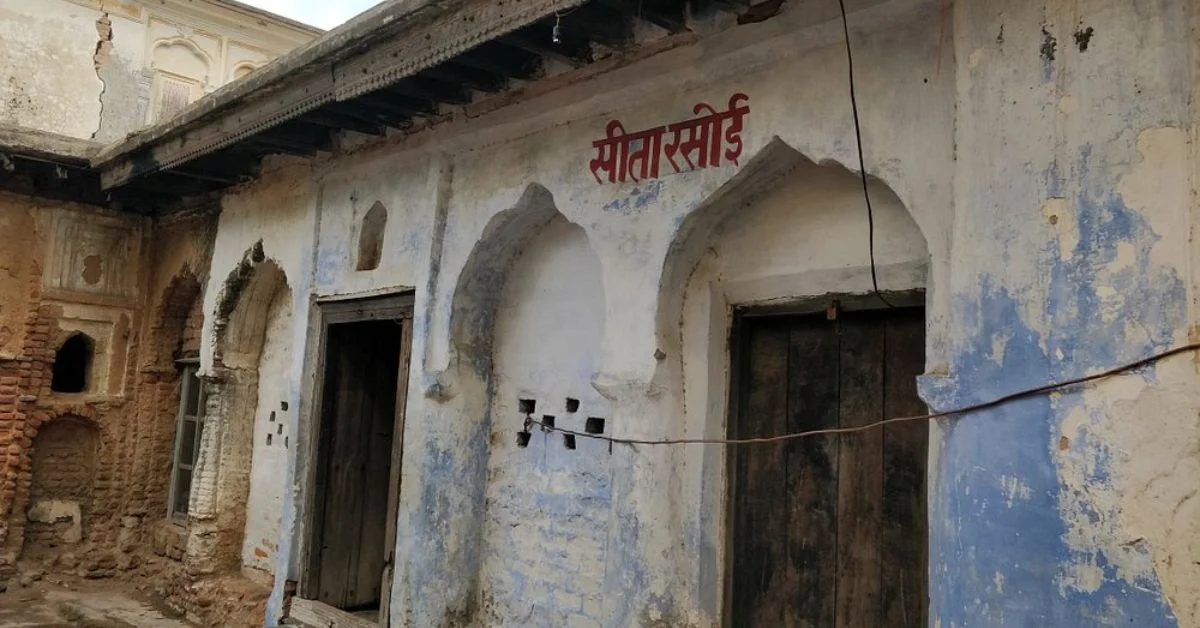 Sita ki Rasoi Ayodhya
- Treta Ke Thakur in Ayodhya Spiritual Travel Guide
- A lesser-known but important temple where Lord Ram performed the Ashwamedh Yagya.
- It features black stone idols of Ram, Sita, Lakshman, and Hanuman.
- Sarayu River and Ghats – Ayodhya Spiritual Travel Guide
- The lifeline of Ayodhya, perfect for a peaceful evening stroll or spiritual dip.
- Don’t miss the aarti at Ram Ki Paidi, a visually stunning ritual.
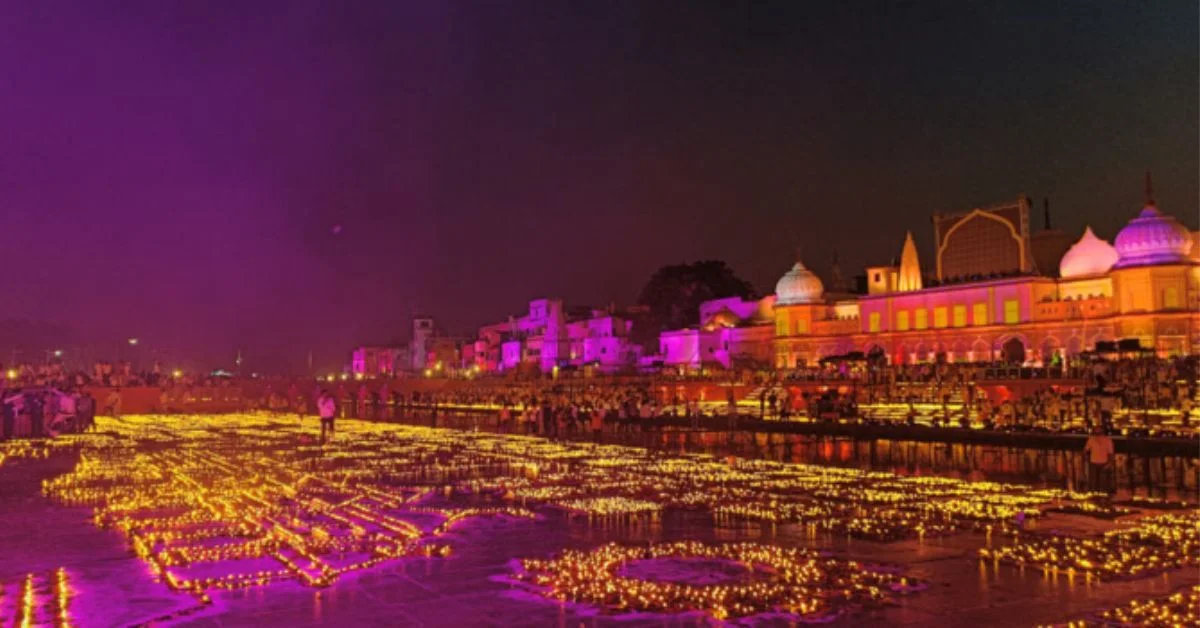 Sarayu Ghat in Ayodhya
Valmiki Ramayan Bhavan in Ayodhya Spiritual Travel Guide
- A modern temple dedicated to the epic Ramayana and its author Valmiki.
- Ideal for literature and mythology enthusiasts.
Ayodhya Spiritual Travel Guide: Festivals and Cultural Celebrations
Meanwhile, Ayodhya comes alive during festivals, where faith and community spirit blend seamlessly into grand celebrations. Here are the two major festivals that define the city’s cultural calendar:
Diwali (Deepotsav)
As a result, Diwali is a festival of lights. In Ayodhya, it becomes something much bigger—a reenactment of divine homecoming. According to legend, Lord Ram returned to Ayodhya on this day after 14 years in exile. The city, overjoyed, lit up with thousands of earthen lamps.
Modern Celebration:
- Ayodhya hosts Deepotsav, a state-organized cultural spectacle where millions of diyas (lamps) are lit along the ghats and streets.
- Guinness World Records have been set multiple times for the highest number of diyas lit in a single location.
- The event includes Ram Leela performances, processions with artists dressed as Ram, Sita, and Lakshman, fireworks, and laser light shows.
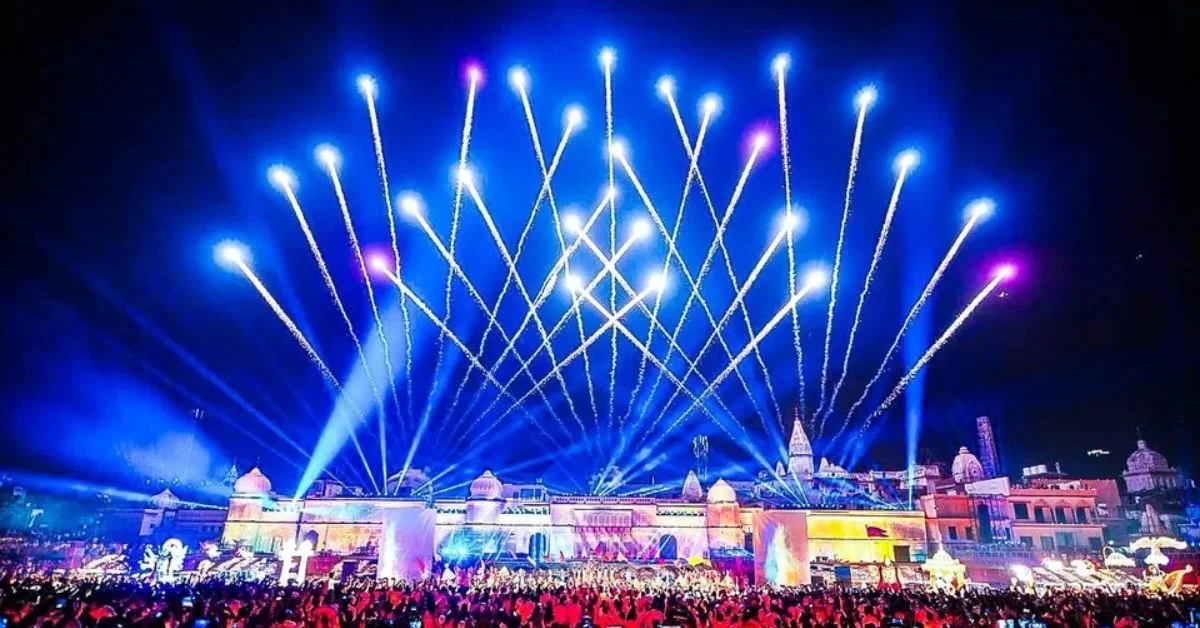 Diwali in Ayodhya
Customs and Traditions:
- Residents decorate their homes with flowers and rangoli.
- Temples organize special pujas and bhajan programs.
- The Sarayu River is the center of evening rituals and aarti ceremonies.
Diwali in Ayodhya is not just visual but deeply emotional. It connects the community and draws visitors into an experience that’s both historical and spiritual.
Ram Navami
Ram Navami marks the birth of Lord Ram and is one of Ayodhya’s most significant festivals. It falls in the Hindu month of Chaitra (March-April) and attracts thousands of devotees.
Celebrations:
- Devotees gather at Ram Janmabhoomi, believed to be the actual birthplace of Lord Ram, to offer prayers and participate in religious processions.
- Ayodhya’s temples host elaborate rituals, including kirtans, readings from the Ramayana, and community feasts (bhandaras).
- The city often sees processions with tableaux depicting episodes from Ram’s life.
Cultural Significance:
- This day symbolizes dharma, victory of good over evil, and devotion to family values.
- Visitors get to witness Ayodhya in its full spiritual glory, with saffron flags waving, conch shells blowing, and devotional songs filling the air.
Ayodhya Spiritual Travel Guide: How to Reach Ayodhya
Nearby Airports
Therefore, though Ayodhya is gradually developing its own airport facilities, most travelers currently rely on nearby airports in Lucknow and Varanasi for air travel.
Lucknow Airport (Chaudhary Charan Singh International Airport)
- Distance from Ayodhya: Approximately 140 kilometers.
- Travel Time: Around 3.5 to 4 hours by road.
- Facilities: Offers domestic and international flights, food courts, ATMs, luggage services, and currency exchange. It’s modern, clean, and has ample cab and transport counters.
- Tips: It’s advisable to book your return flights well in advance, especially around major festivals when the city sees a surge in visitors. The drive from Lucknow to Ayodhya offers rich culture, history, and spirituality. With MTC’s premium rental cars, you’ll enjoy a smooth ride, scenic views, and meaningful stops along the way.
Varanasi Airport (Lal Bahadur Shastri International Airport)
- Distance from Ayodhya: Roughly 200 kilometers.
- Travel Time: Around 5 to 6 hours by road.
- Facilities: Equipped with international connections, lounges, eateries, and prepaid taxi services. Varanasi is itself a spiritual hub, so you could consider combining both cities in one trip.
- Tips: If you’re planning to explore more of eastern Uttar Pradesh, Varanasi makes for a good starting point.
Transportation Options in Ayodhya Spiritual Travel Guide
Once you land at either airport, the most convenient way to reach Ayodhya is by booking a private cab.
- Cab Booking Options: You can book a reliable and specialized cab service such as MTC India offer intercity cabs to Ayodhya. Local taxi stands also provide outstation cab services.
- Estimated Travel Costs: Prices typically range from ₹1,800 to ₹2,800 depending on the vehicle type and season. Sedans and SUVs are readily available.
- Travel Time: As mentioned, travel times range between 3.5 to 6 hours depending on the airport of departure.
- Recommended Tip: Choose a cab with AC and verified reviews, especially if you’re traveling during the hotter months (April-June).
Conclusion
Overall, Ayodhya is more than just a city—it’s a timeless journey into India’s spiritual and cultural heart. Whether you’re walking through the narrow lanes echoing with sacred chants, witnessing the Sarayu lit up during Deepotsav, or standing in reverence at Ram Janmabhoomi, Ayodhya offers a visceral connection to a living tradition.
It’s a place where myth meets reality, where history and devotion intertwine. For spiritual seekers, culture enthusiasts, and curious travelers alike, Ayodhya is not just worth a visit—it’s an experience you carry with you.
So plan that trip. Time it with a festival if you can. Book your cab early, keep your camera ready, and most importantly, open your heart to the spirit of a city that continues to shape India’s soul.
Ayodhya is waiting.
